Under the best photo of the summer (the pool at sunset, the crooked olive tree, a glass of wine left there “by chance”) there are 37 comments. Eleven of them say the same thing: “Wow, where is this?”
Anna, who has been renting out that house for six years, answers each one with a little heart and the same line: “Link in bio!” The bio holds a small page with nine buttons: her cousin’s restaurant, the summer playlist, the pottery class, and in third place, “Book”. The button leads to her listing on a booking platform, which first asks for dates. Then, just below, it shows a hundred other houses in the area.
Of those eleven curious people, how many made it that far? Anna doesn’t know. Nobody knows. And that is exactly the problem.
Why so many hearts and so few bookings?
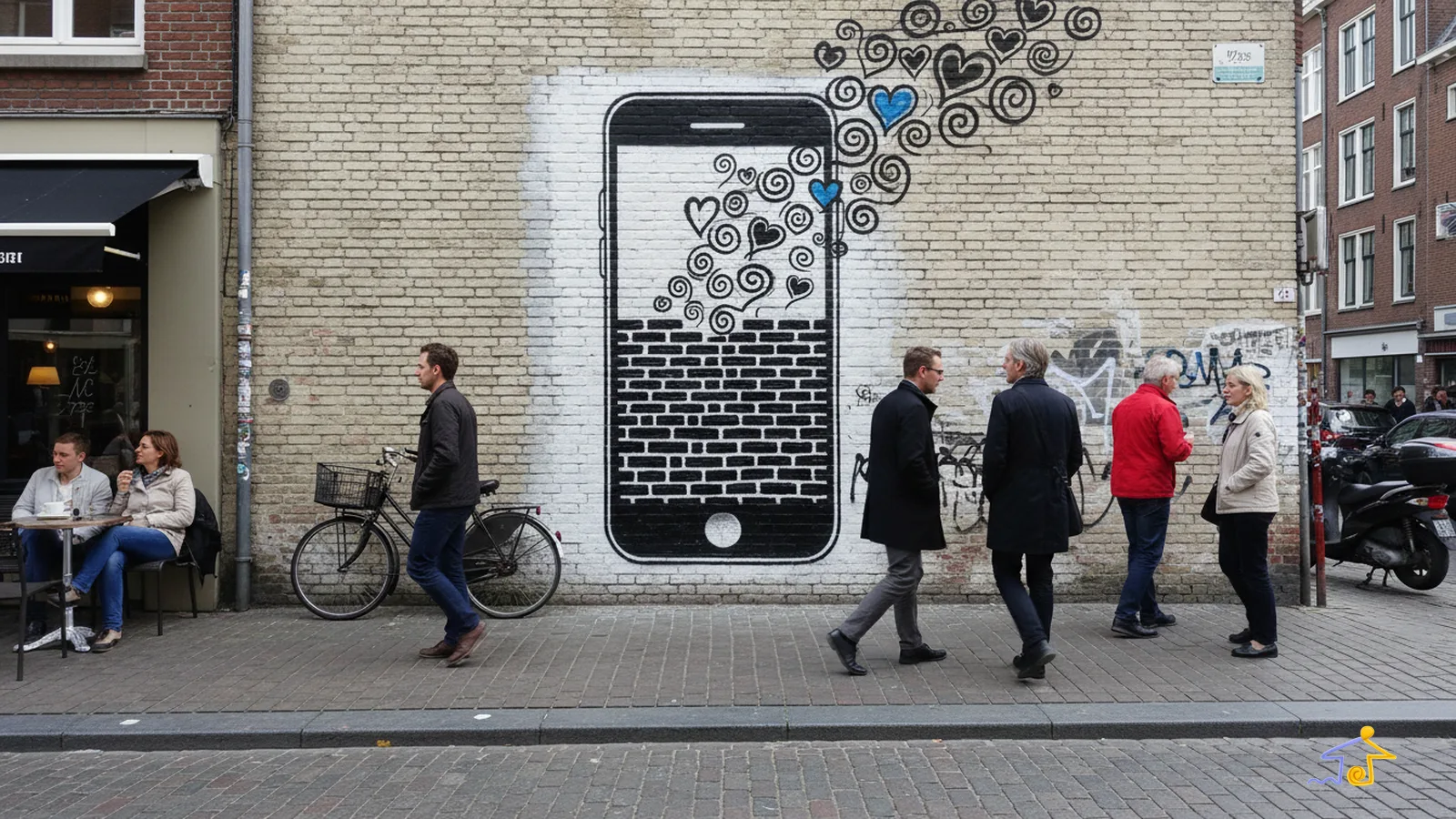
Picture a shop with the most beautiful window on the street. Perfect lighting, carefully chosen objects, a new display every morning. People stop, look, take photos. Then they look for the door, and find a wall. They walk on a few steps, and the shop next door has its door wide open.
Social media is brilliant at getting people to stop in front of the window. Much less so at getting them inside. The reason is simple: someone scrolling their phone is standing in a queue or on a coffee break, not sitting with their calendar open and their credit card in hand. A heart costs them nothing: it’s their way of saying “lovely” as they walk past. To book, though, they need three things: where it is, when it’s free, how much it costs. If finding them takes effort, they put it off. And people who put it off usually forget.
It’s not your photos, and it’s not how often you post. It’s the road that breaks off.
Where do the curious get lost?
Almost always at one of these three points.
1. The answer. “Link in bio” sounds like an answer, but what it really says is “figure it out yourself”. The curious person has to leave the post, go to your profile, find the link, open it. Four steps for a question that needed one line. Someone asking “where is this?” is raising their hand: that’s the moment they’re most interested, and they won’t ask twice.
2. The bio. Nine buttons are as good as none. Faced with too many doors, people open none of them. And if “Book” comes third, after the playlist, the message is that bookings are the third thing on your mind.
3. The landing. The link goes to your website’s home page, where the calendar has to be hunted down, or to a booking platform. The platform itself is perfectly fine: but there, one line below, your curious guest finds a hundred other houses with a hundred other sunset pools. You did the hard work of making them stop, and the comparison is won by whoever has the lowest price that day.
So should you post less?
No. There’s no magic number of posts, and anyone selling you one is selling you something. You can post every day or twice a week: what matters is that whichever post a curious person opens, the door is always open and easy to find.
And not every post has to sell. In a shop, the window tells a story, sparks a dream, changes with the seasons: it’s perfectly fine for the sunrise, the cat and the breakfast table to stay there setting the mood. All it takes is for the window, every now and then, to say plainly: “we’re open, come in.”
The three-tap test (five minutes, on a friend’s phone)
Borrow the phone of someone who doesn’t follow you (not yours: yours already knows everything and takes you straight where you want to go). Look up your profile the way a stranger would and open the best post you have.
Now count the taps it takes to see one free date and one price.
1 to 3 taps: the door is open. Well done.
4 to 6: some people get there, many get lost along the way.
More than 6, or you never get there: beautiful window, bricked-up door.
Bonus: from another account, write “where is this?” under one of your posts and see how long you take to reply, and what you say. It’s the same experience every real curious guest has.
Three moves to open the door
They cost nothing and take half an hour, once.
1. Prepare your answer to “where is this?”. A ready-made line to copy and paste: the name of the place, one sentence that makes people want to go, the direct link to the page with your dates. Send it in a private message, so the link works and the conversation stays open, and reply the same day: curiosity cools fast. Under the post, a simple “Just sent you a message!” is enough, and it shows everyone else that you reply.
2. One door in your bio. One link, just one, leading to where dates and prices can be seen: the page on your website with the calendar or, if your website doesn’t have one, your listing. Everything else, if you really want to keep it, goes below. Your bio isn’t an archive: it’s the doorbell.
3. Every now and then, say it. Roughly one post in five, give people a reason to get in touch now: “The last four nights of June are free”, “The week in October when the sea is still warm and the beach is empty”, “Coffee’s on us for returning guests”. No embarrassment needed: it’s not pushy advertising, it’s the “open” sign on the door.
And when the curious guest reaches your website? There, they need to find answers right away, even at 11:40 PM: we covered that in Is Your Website Open at 11:40 PM?
How does Anna’s story end?
The next summer: same pool, same crooked olive tree, same glass left there by chance. Under the photo, once again, a dozen “Wow, where is this?”
This time Anna replies privately, that same evening: “It’s on the hill behind the harbour, ten minutes from the sea. Here you can see the free dates and the price”, plus the link, just one. Her bio now has a single button: “Dates and prices”. The pottery class has moved further down, and nobody has complained.
Three of the curious reply with another question: “Is September free?” Two of them book.
The hearts are more or less the same as the year before. The difference is that this time, two of those hearts showed up at the gate, suitcase in hand.
If you’d like a fresh pair of eyes on the road from your posts to your bookings, get in touch with us: we offer a free initial consultation with no commitment.